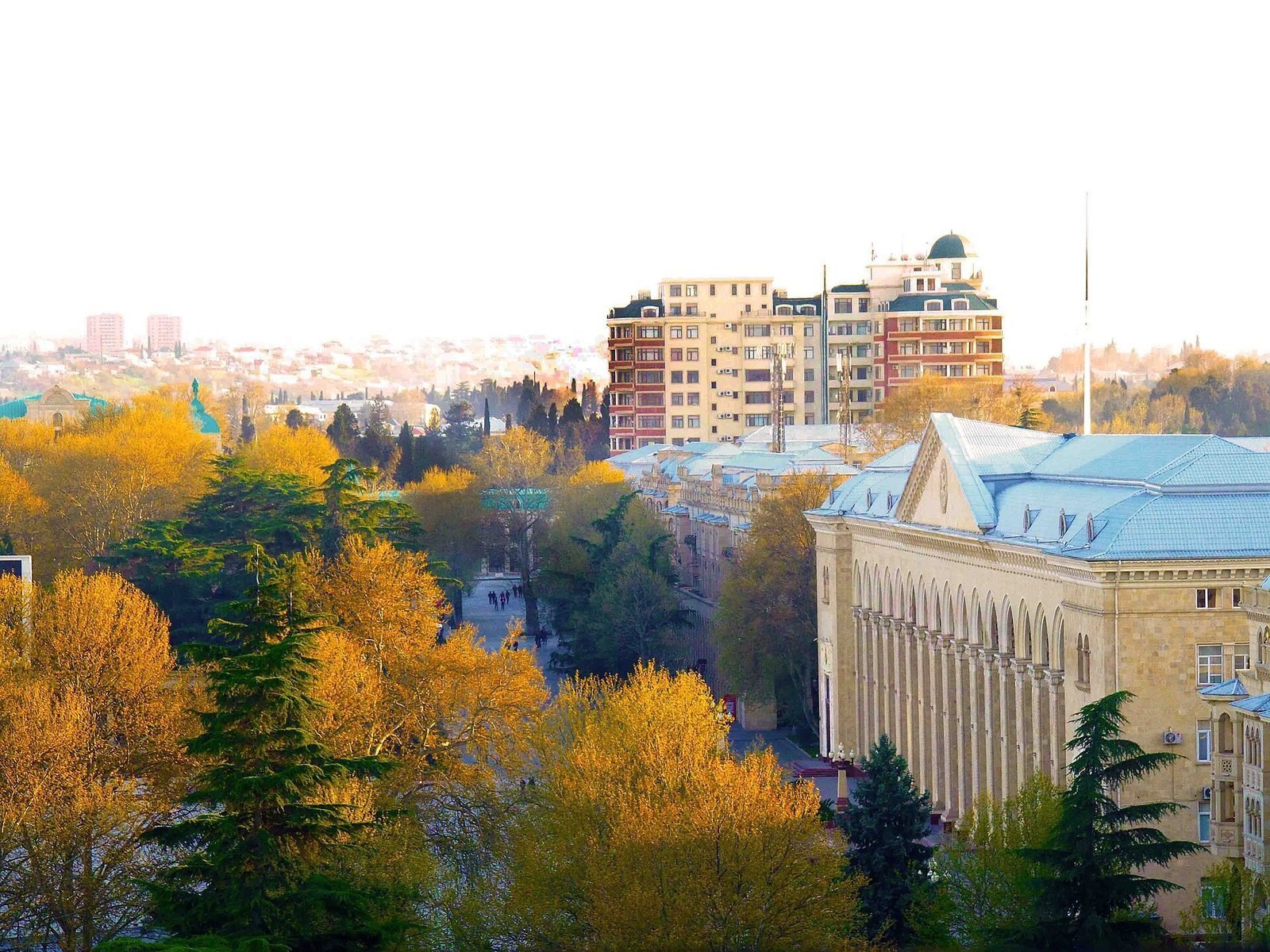
How it was
History
The history of Ganja spans more than one millennium — a chronicle of flourishing and ruin, of trade and poetry, of courage and revival.
How it was
The history of Ganja spans more than one millennium — a chronicle of flourishing and ruin, of trade and poetry, of courage and revival.
Ganja was one of the main cities of medieval Azerbaijan. Its fate is closely tied to the history of the whole region — from Arab times to the Ganja Khanate.
History
In the Middle Ages Ganja was a large city and one of the region's capitals. In 1139 a strong earthquake destroyed it; later the city endured invasions and changed its location more than once.
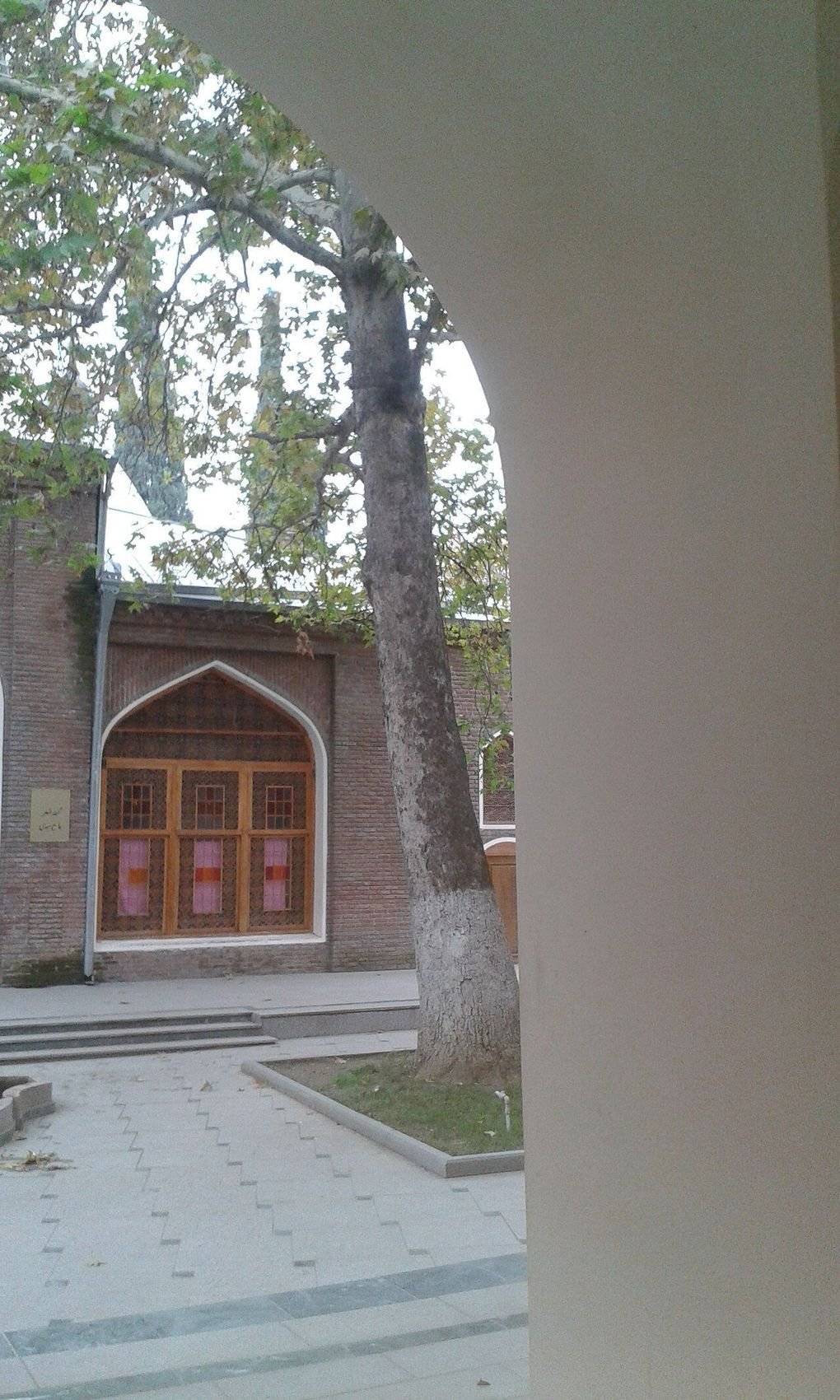
Under Shah Abbas I the city was rebuilt. At the centre of the new plan stood the Juma Mosque, erected by the architect Sheikh Baha ad-Din — still the heart of old Ganja today.
History
In the 18th century Ganja became the centre of the Ganja Khanate. Its last ruler, Javad Khan, died heroically in January 1804 defending the city during the assault by Russian troops.
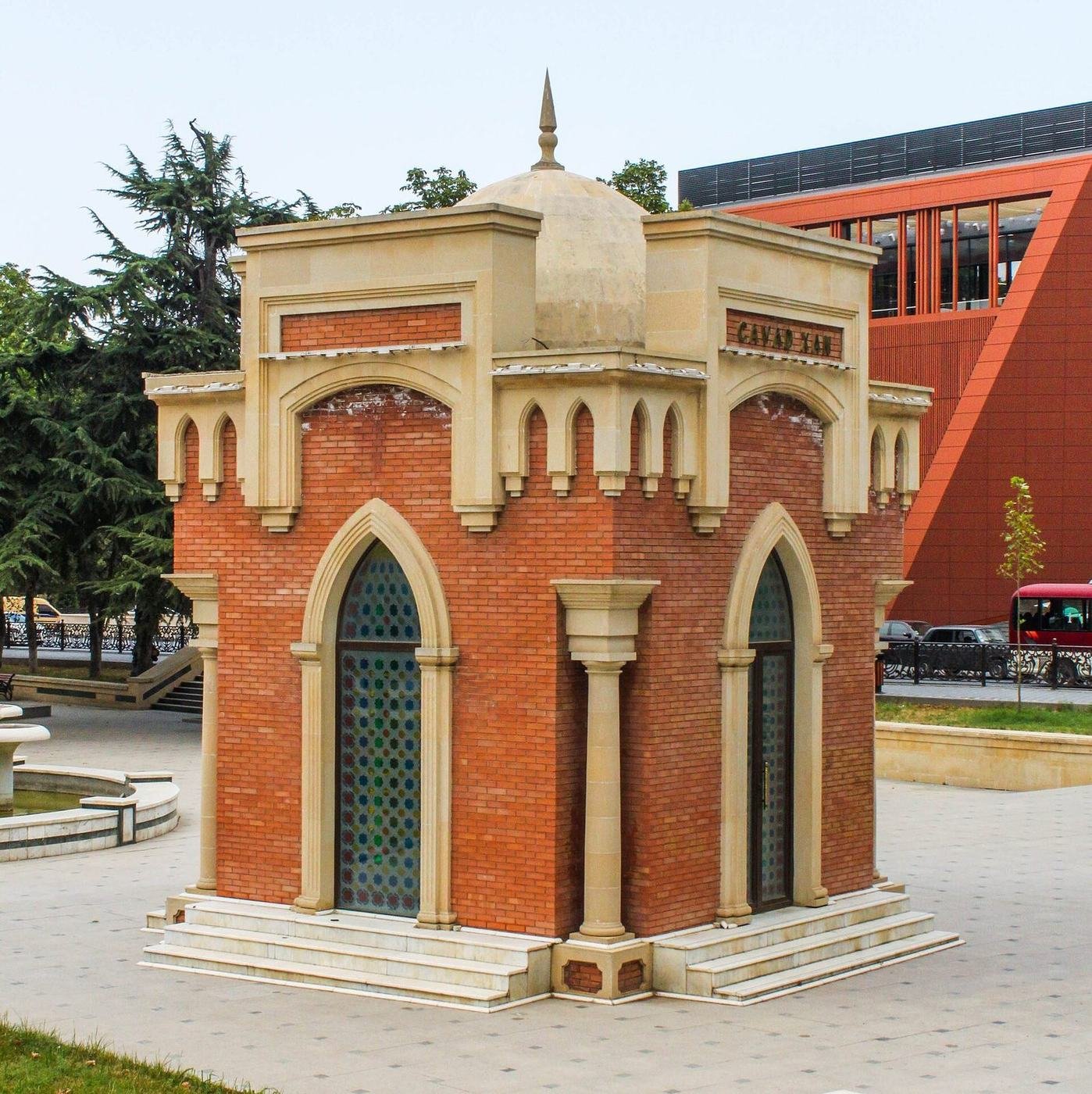
His mausoleum next to the Juma Mosque became a place of memory and a symbol of steadfastness. Streets and squares of the city still bear Javad Khan's name.
Milestones
One of the main cities of medieval Azerbaijan.
A great earthquake that changed the city's fate.
The rebuilding of the city around the Juma Mosque.
The last khan, who died for the city in 1804.
Datings and details of the early history vary across sources; the most common information is given here.